

Propane Safety: Storage, Usage, Leak Checks & Ventilation
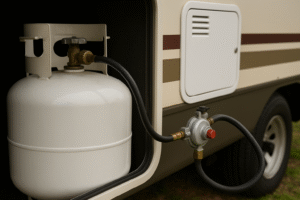
Propane is one of the most important systems in an RV, powering everything from stoves and refrigerators to water heaters and furnaces. It’s efficient, reliable, and essential for a comfortable stay at Cape Kennedy RV Resort. But like all fuel sources, propane needs to be used with care. Understanding proper storage, usage, leak detection, and ventilation ensures your RV remains safe, functional, and ready for any adventure on Florida’s Space Coast.
Safe propane storage begins with handling your tanks correctly. Whether your RV uses removable cylinders or built-in tanks, always transport and store them upright. Keeping propane cylinders vertical helps the internal safety valve function properly and prevents liquid propane from entering lines designed only for vapor. At rest stops, fuel stations, and campsites, maintaining an upright position is one of the simplest yet most important safety measures.
Inspecting your tanks is another essential step. Over time, tanks can rust, develop dents, or experience valve wear. A quick visual inspection before every trip ensures your tanks remain in good condition. Most portable tanks also have an expiration date—usually 10 to 12 years from the manufacturing stamp. Using expired or damaged tanks is dangerous, so replacing them on time is an important part of responsible RV ownership.
Proper usage starts with knowing how to open and close valves safely. RV propane valves should always be opened slowly to prevent triggering the tank’s safety mechanisms. Opening a valve too quickly may cause a sudden rush of pressure that confuses the regulator and temporarily restricts flow, giving the impression something is “broken.” Controlled, steady movements keep your system operating as intended.
Keeping your propane system clean and free of debris is also vital. Regulators, hoses, and fittings can accumulate dirt, insects, or corrosion over time. Setting aside a few minutes each month to inspect your propane lines ensures that seals stay tight and connections remain secure. Replacing hoses at the first sign of wear is an inexpensive and effective way to prevent leaks.
Leak checks are a crucial part of propane safety. Every RVer should know how to perform a simple bubble test using soapy water. By applying the mixture around valves and connections, you can easily see if bubbles form—an immediate sign of a leak. At Cape Kennedy RV Resort, where warm temperatures can expand lines and fittings, doing routine checks is a smart habit for every guest.
If you ever suspect a propane leak, shut off the tank immediately and ventilate the RV. Propane is heavier than air and can settle in low areas, making airflow essential. Opening windows, doors, and exterior vents helps dissipate accumulated gas quickly. Avoid using switches, lighters, appliances, or anything that could create a spark until the leak is resolved.
Ventilation is one of the most overlooked aspects of propane safety. Appliances like water heaters, stovetops, and furnaces all rely on proper airflow to burn fuel cleanly. Blocked vents limit oxygen supply, which can lead to incomplete combustion and carbon monoxide production. Ensuring that vents remain open, clean, and clear of nests or debris is vital for safe operation.
Carbon monoxide (CO) alarms and propane detectors play a major role in RV safety. These small devices provide early detection and alert you to unsafe conditions long before you notice anything wrong. It’s important to test your alarms regularly and replace them as recommended by the manufacturer. Fresh batteries and working detectors save lives in enclosed spaces like RVs.
Using propane appliances safely includes monitoring flame color. A healthy flame should burn blue. Yellow or orange flames indicate incomplete combustion and potential safety risks. If you notice unusual flame colors, unusual smells, or soot buildup, discontinue use and investigate the cause. Most issues are simple fixes when identified early.
Cooking inside your RV requires special attention. Stovetop use produces heat, moisture, and combustion byproducts. Always crack a window or turn on the range hood fan for proper ventilation while cooking. Many RVers prefer using outdoor grills when possible, especially in warm climates like Florida, where extra indoor heat becomes uncomfortable quickly.
When staying at Cape Kennedy RV Resort, following proper propane safety practices ensures a smooth and enjoyable experience. Our team maintains a safe environment, but propane safety ultimately begins with each individual RVer. With regular inspections, proper usage, good ventilation, and consistent leak checks, your propane system will operate efficiently and safely throughout your stay.
By giving your propane system the attention it deserves, you protect yourself, your RV, and your fellow campers. With everything running safely, you can relax, enjoy your time on the Space Coast, and focus on what truly matters—sunny days, cool breezes, and watching rockets thunder overhead from the comfort of your site.
📍 4513 St Rd 46, Mims, FL
For any questions or concerns please reach out to us
📞 (321) 269-7361