

The Science Behind RV Aerodynamics and How It Impacts Fuel Efficiency
Most new RVers know their rigs are heavier and less aerodynamic than standard vehicles, but few fully understand how that aerodynamic drag affects fuel efficiency. The science behind RV aerodynamics plays a major role in how far your fuel dollars go, especially on long-distance trips to destinations like Cape Kennedy RV Resort. Understanding this science empowers RV owners to make smarter driving choices, improve fuel economy, and reduce engine strain.
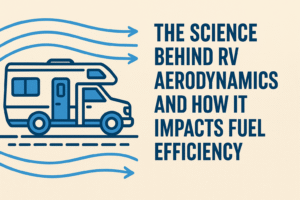
The first thing to understand is drag—the force of air resistance pushing against your RV as it travels forward. Unlike cars, which are engineered with sleek curves and wind-tested shapes, most RVs are shaped like large, flat rectangles. The flat front surface acts like a wall pushing through the air, causing significantly more aerodynamic drag at highway speeds.
The faster you drive, the greater the drag becomes. In fact, aerodynamic resistance increases exponentially with speed. This means that jumping from 55 mph to 70 mph doesn’t just use a little more fuel—it can result in a massive increase in fuel consumption. RVers who maintain slower, steady speeds almost always see better mileage simply because they’re reducing drag.
Another important factor is crosswind impact. Side winds create both drag and instability. Box-shaped RVs have large vertical surfaces that catch wind like sails. This not only increases resistance but also forces your engine to work harder to keep the RV aligned. This is one reason tow vehicles and motorhomes use more fuel on windy days, even on flat roads.
For towable RVs, aerodynamics also depend on the gap between the tow vehicle and the front of the trailer. Air hitting the back of the truck then tumbles into that gap and crashes against the flat front of the trailer, creating turbulence. Reducing this gap—or using fairings and deflectors—helps smooth airflow and reduce drag.
The roofline of an RV further influences aerodynamic performance. Roof-mounted accessories such as air conditioners, solar panels, satellite domes, bike racks, and storage bins all disrupt airflow. Each object adds small pockets of drag, which add up. Keeping the roof tidy and minimizing unnecessary accessories can improve fuel economy without any mechanical changes.
Even the underside of your RV contributes to drag. Uneven surfaces, exposed plumbing, and low-hanging components create turbulence as air flows underneath the rig. Some manufacturers now design underbellies with smoother coverings to help reduce resistance. For older rigs, adding underbelly panels or skirting can offer small but noticeable improvements.
Weight affects aerodynamics indirectly. Heavier rigs require more power to maintain speed, especially uphill or through headwinds. While weight doesn’t change drag itself, it increases how hard the engine must work against drag. Keeping your RV within proper weight limits not only protects your suspension and tires but improves overall fuel efficiency.
Driving habits also play a major role. Rapid acceleration, inconsistent speeds, and unnecessary braking all increase aerodynamic inefficiency. Smooth, steady cruising minimizes turbulence and helps airflow move more predictably around the RV. This is especially true on long stretches of highway when heading toward coastal destinations like Cape Kennedy RV Resort.
Proper tire inflation is a more overlooked factor. Underinflated tires increase rolling resistance—the friction between the tires and the road—which forces the engine to work harder. While this isn’t technically aerodynamic drag, it compounds fuel loss and contributes to overall inefficiency. Correct tire pressure ensures the RV glides more freely at any speed.
The size and shape of your RV are variables you can’t change, but understanding the science equips you to make adjustments where possible. Adding wind deflectors, reducing rooftop clutter, keeping tires properly inflated, maintaining a reasonable speed, and choosing efficient driving routes all help counteract aerodynamic drag.
By improving the aerodynamic performance of your RV, your fuel dollars go further—helping you travel longer distances comfortably, affordably, and safely. When you finally reach Cape Kennedy RV Resort, nestled along Florida’s beautiful Space Coast, you’ll appreciate that small adjustments on the road can lead to big savings throughout your journey.
📍 4513 St Rd 46, Mims, FL
For any questions or concerns please reach out to us
📞 (321) 269-7361