

The Difference Between Fresh Water Safe Hoses and Regular Garden Hoses
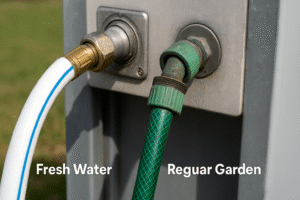
One of the most overlooked pieces of RV equipment is the freshwater hose. Many first-time RV owners don’t realize that a garden hose and a freshwater hose are not the same thing. Using the wrong type of hose can affect water taste, introduce harmful chemicals, and even damage plumbing components. For guests staying at Cape Kennedy RV Resort, where clean, safe drinking water is essential during long stays along Florida’s Space Coast, choosing the right hose matters more than you think.
Freshwater safe hoses—sometimes called “potable water hoses”—are specifically designed for drinking water. They’re made from materials approved by the FDA for contact with food and beverages. This means they won’t leach chemicals into your water and are engineered to resist mold, bacteria growth, and UV breakdown. The hose interior is smooth and non-porous, preventing contaminants from attaching or spreading.
Regular garden hoses, on the other hand, are not made for human consumption. Most contain rubber, plasticizers, heavy metals, and even lead. When exposed to heat—especially the Florida sun—these materials break down and release chemicals into the water passing through. Water from a garden hose may be safe for plants, but it’s unsafe to drink and can leave a strong chemical taste.
Another difference is pressure tolerance. Freshwater hoses are built to handle consistent campground water pressure without swelling or weakening. Many garden hoses soften in heat, kink easily, and can rupture when left under pressure. In hot climates like Cape Kennedy’s, a low-quality hose can expand, crack, or even split open, potentially flooding your campsite or damaging your RV’s plumbing.
Freshwater hoses also resist algae growth better than garden hoses. Since RVers often leave their hoses connected for days or months at a time, water can sit inside the line and create perfect conditions for algae and bacteria to form. Potable hoses use materials that resist biological growth, keeping your water cleaner and safer for drinking and cooking.
Taste and odor are major factors too. Even if a garden hose doesn’t pose immediate health risks, it often adds a plastic, rubbery, or “green hose” flavor to the water. Freshwater hoses are engineered to be taste-free and odor-free, ensuring clean water for coffee, brushing teeth, cooking, and more—especially important during extended stays.
Color is another helpful distinction. Most potable water hoses are white or blue. This isn’t just for convenience—it prevents heat absorption. Dark garden hoses can reach extreme temperatures in direct sun, heating the water inside and breaking down chemicals faster. Cooler hoses mean cleaner, better tasting water from the tap.
Durability also differs. Freshwater hoses are reinforced to prevent bursting and cracking, especially at the fittings. Many include nickel-plated or brass fittings that resist corrosion in coastal environments. Garden hoses often use lower-grade metals that corrode faster, especially in Florida’s salty air, leading to leaks and poor connections.
Cleaning and maintenance are simpler with a freshwater hose. Because they resist bacterial buildup, flushing them periodically keeps them safe for long-term use. Garden hoses, however, are difficult to sanitize thoroughly because of their porous inner lining and tendency to hold residue.
Length and storage also matter. Freshwater hoses are designed to coil easily, resist kinking, and stay flexible in varying temperatures. Garden hoses stiffen, twist, and can become difficult to manage—especially after sitting in the sun. Proper hose care helps prevent strain on RV water connections and preserves the lifespan of fittings.
For extra protection, many RVers at Cape Kennedy pair their freshwater hose with a water pressure regulator and an inline sediment filter. This combination prevents contaminants and protects RV plumbing from unregulated city pressure—an important consideration in coastal communities where pressure can fluctuate.
Choosing a freshwater safe hose isn’t just about convenience—it’s about health, safety, and protecting your RV. Using the right hose ensures clean drinking water, prevents chemical contamination, and reduces the risk of plumbing issues during your stay at Cape Kennedy RV Resort. With proper care and the right equipment, you’ll enjoy fresh, great-tasting water throughout your coastal adventure.
📍 4513 St Rd 46, Mims, FL
For any questions or concerns please reach out to us
📞 (321) 269-7361