

RV Generator Overload: Causes, Symptoms & Prevention
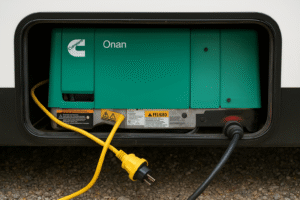
Generators are a lifesaver for RVers—especially during storms, travel days, or unexpected power outages at Meadowlark Shores RV Resort. But when a generator becomes overloaded, it can shut down suddenly, strain electrical components, or even suffer permanent damage. Understanding why overloads happen, how to spot early warning signs, and how to prevent them will keep your RV powered safely and reliably.
Generator overload happens when electrical demand exceeds the generator’s rated capacity. Every generator—whether 2,000 watts or 4,500 watts—has a maximum load it can support. When you exceed that limit, voltage drops rapidly and the generator is forced to work harder than it was designed to, triggering shutdown or tripped breakers.
Air conditioners are the most common cause of overload. RV AC units require a huge burst of energy at startup—often two to three times their running wattage. If other appliances like microwaves, water heaters, or coffee makers are running at the same time, that initial surge can push the generator past its limit instantly.
Another major factor is soft-start absence. Without a soft-start device, air conditioners pull full surge current each time the compressor engages. Installing a soft-start dramatically reduces startup load and allows smaller generators to run AC units more comfortably.
Overload can also occur from stacked appliance usage. Many RVers underestimate the wattage of common items. Microwaves, hair dryers, electric kettles, and space heaters all draw significant power. Running just one of these alongside an AC unit can trigger overload—even if the generator normally handles light usage well.
One overlooked cause is low generator performance due to wear or poor maintenance. Dirty air filters, old spark plugs, or stale fuel reduce engine efficiency. A generator that used to produce 3,500 watts may now put out far less, making overload more likely even under normal load conditions.
Symptoms of generator overload include dimming lights, sputtering or surging engine noise, flickering appliance displays, and sudden generator shutdown. Many modern generators include overload indicator lights, but early warning signs often appear before the generator fully trips.
Voltage drop is another clear indicator of overload. If your EMS or surge protector displays voltage dipping below 110 volts, your generator is struggling to support the load. Running appliances during low voltage can damage motors and compressors, so immediate action is necessary.
Environmental conditions also matter. High temperatures and Florida humidity reduce generator performance. Engines run hotter, requiring more airflow and cleaner fuel. If ventilation is blocked or exhaust cannot escape, the generator may derate itself—making overload more likely.
To prevent generator overload, start by managing your loads carefully. Turn on the air conditioner first, let it stabilize, then add other appliances one at a time. Avoid running multiple high-wattage items together. Whenever possible, switch water heaters and refrigerators to propane when on generator power.
Soft-start devices offer one of the best long-term solutions. These reduce AC startup demand dramatically, allowing even smaller generators to handle heavy loads smoothly. For RVers at Meadowlark Shores, this upgrade helps during power interruptions or hurricane-season outages.
Regular maintenance is equally important. Cleaning filters, changing oil, using fresh fuel, and exercising the generator monthly keeps it performing at full capacity. A well-maintained generator produces more stable power and is far less likely to overload.
Ultimately, preventing generator overload comes down to load planning, proper maintenance, and understanding your generator’s true output. With the right habits and equipment, you can enjoy reliable off-grid power and avoid damaging your RV’s electrical system.
📍 4513 St Rd 46, Mims, FL
For any questions or concerns please reach out to us
📞 (321) 269-7361