

Hydraulic vs. Electric Leveling Systems: Which Is Better for Long-Term Use?
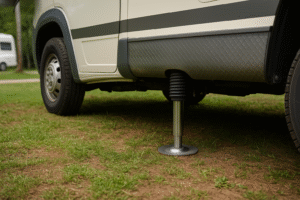
For RV travelers, a leveling system is more than a convenience—it’s essential for safe operation, comfortable living, and long-term structural stability. Whether you’re setting up your motorhome for a winter stay at Cape Kennedy RV Resort or moving between campsites across Florida’s Space Coast, the way your RV levels itself can greatly impact ease of use and reliability. The two most common leveling systems are hydraulic and electric, each with strengths and limitations depending on how often and how long you camp.
Hydraulic leveling systems use fluid-driven cylinders to extend heavy-duty metal jacks beneath the RV. These systems are known for their power and speed, making them the preferred choice for Class A motorhomes and larger fifth wheels. Because hydraulic jacks exert significant lifting force, they’re ideal for leveling on uneven terrain or supporting heavy rigs over extended periods. This makes them particularly beneficial for long-term stays where stability is essential.
Electric leveling systems operate using electric motors and gear-driven mechanisms. They are commonly found on mid-size trailers, smaller fifth wheels, and some motorhomes. While not as powerful as hydraulic systems, electric stabilizers offer good performance for lighter RVs. They are also quieter, easier to maintain, and generally more budget-friendly. Their simplicity appeals to many travelers who prioritize ease of use over heavy-duty lifting capabilities.
One of the biggest advantages of hydraulic systems is strength. Hydraulics can lift an RV higher and faster than electric systems, making setup quick and efficient. This is especially helpful for travelers who move frequently or park on surfaces that vary in height. Hydraulics are also more durable under heavy loads, which is important for full-timers or snowbirds spending months at Cape Kennedy RV Resort. However, hydraulic systems can be more complex and require periodic maintenance to prevent leaks or damage to the pump.
Electric leveling systems excel in simplicity and cost-effectiveness. They rely on basic 12-volt motors that are easier for most RV owners to troubleshoot without professional help. Because electric jacks are less powerful, they are better suited for light to mid-weight RVs. Their main limitation is slower performance and reduced lifting power, which can be an inconvenience on unlevel ground. Still, for RVers who primarily park on flat campsites or stay lightweight, electric systems offer dependable performance.
Maintenance plays a major role in choosing a leveling system for long-term use. Hydraulic systems require routine fluid checks, inspection of hoses, and occasional seal replacements. A hydraulic leak can leave your RV uneven or cause the jacks to fail temporarily. Electric systems, in contrast, require minimal upkeep—mainly lubrication and motor inspection. For many part-time travelers, the lower maintenance burden makes electric leveling an attractive option.
Durability over time also differs between the systems. Hydraulics tend to have longer lifespans because the fluid-driven mechanics experience less wear than electric gears. For full-time RVers or long winter stays, hydraulic jacks hold their stability better under constant weight. Electric systems, while dependable, may wear more quickly if they frequently bear heavy loads or operate on rough terrain.
Both systems are compatible with automatic leveling technology, but hydraulics typically offer smoother and more accurate adjustment. Electric auto-leveling units do exist and work well for mid-sized RVs, but they may struggle with uneven or soft ground. Travelers who value precise, fast leveling often gravitate toward hydraulic systems for this reason.
Cost is another deciding factor. Hydraulic leveling systems are significantly more expensive upfront and may require professional installation. Electric leveling systems, however, are more affordable and often come standard on many travel trailers. Over the long term, hydraulic owners may save money due to fewer repairs, but the initial investment is still much higher.
For RVers who frequently travel through sandy or moisture-rich environments like Florida’s coast, stability can be affected by soil conditions. Hydraulic systems distribute weight more evenly and offer firmer contact points, which helps prevent sinking or leaning during long-term stays. Electric jacks can perform well too, but they may require additional stabilizing pads or blocks to maintain stability over time.
Ultimately, the better system depends on your RV size, travel frequency, and long-term parking habits. Hydraulic leveling systems are superior for heavy rigs, full-time use, and frequent setup. Electric leveling systems are ideal for lighter RVs, shorter trips, and those who prefer low-maintenance operation. Both systems can perform reliably at Cape Kennedy RV Resort, but understanding the differences helps you choose one that aligns with your camping lifestyle.
📍 4513 St Rd 46, Mims, FL
For any questions or concerns please reach out to us
📞 (321) 269-7361