

Thermal Expansion in RV Construction: How Heat and Temperature Swings Affect Seals, Roofs, and Slide Mechanisms
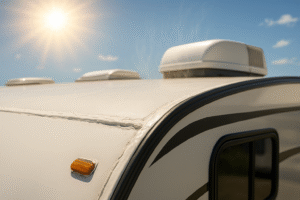
All RVs, regardless of size or build quality, are constantly expanding and contracting. This natural movement—called thermal expansion—happens every time temperatures rise and fall. While it might sound insignificant, these tiny shifts create some of the most common long-term issues RV owners face. For travelers staying at Cape Kennedy RV Resort, where Florida’s coastal heat, humidity, and sun exposure push materials to their limits, understanding thermal expansion is essential for preventing structural wear and expensive repairs.
Thermal expansion occurs because materials swell when heated and shrink when cooled. RVs are built from dozens of different materials—fiberglass, aluminum, steel, rubber, plywood, foam, and plastics. Each expands at its own rate. When these materials are fastened together, they begin to pull, push, and flex against each other during hot days and cooler nights. Over time, this constant movement stresses seals, fasteners, adhesives, and joints.
Roof surfaces take the biggest beating. A white EPDM or TPO roof may reach 140°F or more under full Florida sun. When the sun sets, temperatures drop rapidly, causing the roof membrane to shrink. This daily cycle weakens adhesives, stretches sealant, and causes microcracks to form around vents, skylights, and AC units. Eventually, these small gaps turn into leak points during Florida rainstorms.
Slide-outs experience even more dramatic expansion because they involve moving parts. Slide mechanisms, rails, and frames expand at different rates. When aluminum framing expands faster than steel rails—or when fiberglass walls expand differently than wooden floors—the slide can slowly shift out of alignment. This leads to drag marks, tearing seals, crooked extension, and added strain on motors or hydraulic pumps.
Window and door seals are particularly vulnerable. Rubber seals shrink in cooler temperatures but expand and soften in heat. Repeated cycles cause them to warp, wrinkle, and eventually pull away from the frame. Gaps around windows or slides are often blamed on improper installation, but thermal expansion is a major culprit that slowly deforms the rubber over time.
Wall seams and caulking are also affected. Caulks and sealants harden as they age, making them less flexible. When the RV expands in the heat, stiff sealant can crack or separate from the surface. When it contracts, the sealant may not return to its original shape, leaving permanent gaps that allow moisture intrusion—one of the biggest causes of rot and delamination.
Floor structures feel the effects too. The combination of heat, humidity, and expansion cycles causes plywood to swell, particularly around edges or seams. Even small temperature-driven shifts can cause squeaks, soft spots, or slight misalignment where cabinets meet the floor. Left unaddressed, these issues can spread to surrounding components.
Even exterior metal components are not immune. Chassis rails, storage compartment doors, and metal trim expand more than fiberglass siding. As temperatures fluctuate, stress builds at attachment points. Screws start to back out, trim begins to lift, and compartments may stop closing smoothly. These changes happen gradually, often over months or years.
Electrical systems can also be affected. Heat exposure causes wire insulation to soften and expand. When temperatures cool, insulation contracts, which can loosen wire connections at terminals. In coastal climates like Cape Canaveral, salt air compounds this by accelerating corrosion, making thermal expansion even more damaging to electrical reliability.
The best defense against thermal expansion issues is regular inspection. Checking roof seams, window seals, slide-out gaskets, and caulking every few months helps catch early signs of stress. Applying fresh sealant, replacing brittle rubber, and tightening loose hardware prevents minor expansion-related wear from turning into costly repairs.
Ventilation also plays a major role. Reducing interior heat slows expansion cycles and keeps materials closer to a stable temperature. Using roof vent covers, reflective shades, and proper airflow can significantly reduce temperature swings inside the RV and lessen the strain on structural components.
Routine slide maintenance is especially important. Lubricating rails, conditioning slide seals, and watching for uneven movement ensures the system continues operating smoothly. In extreme heat, avoiding unnecessary slide operation reduces the stress placed on mechanisms expanded by high temperatures.
By understanding how thermal expansion affects RV materials, owners can stay one step ahead of the problems it creates. With regular inspections, smart heat management, and preventive maintenance, RVers can minimize wear and enjoy a safer, more reliable home on wheels during their stay at Cape Kennedy RV Resort—even under Florida’s intense sun and shifting coastal temperatures.
📍 4513 St Rd 46, Mims, FL
For any questions or concerns please reach out to us
📞 (321) 269-7361