

How to Upgrade Your RV Electrical System Safely Without Overloading Circuits
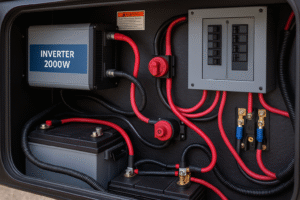
Upgrading an RV’s electrical system is one of the most valuable improvements an RVer can make—especially for long-term stays at Meadowlark Shores RV Resort. Whether you’re adding solar, switching to lithium batteries, installing new appliances, or improving power distribution, every upgrade must be done with safety and circuit capacity in mind. Overloading circuits is not just inconvenient—it can create fire hazards, damage equipment, and shorten the lifespan of your RV’s electrical components.
The first step to a safe electrical upgrade is understanding your RV’s existing power capacity. Most RVs use either a 30-amp or 50-amp service. A 30-amp system provides 3,600 watts total, while a 50-amp system offers up to 12,000 watts across two separate legs. Before adding new appliances or chargers, you must calculate your current usage and determine whether your system has enough capacity left.
Many overloads happen because RV owners forget that certain appliances pull high wattage at startup. Air conditioners, microwaves, electric water heaters, and residential refrigerators all create surge loads that can momentarily exceed circuit ratings. When combined on the same circuit, these surges trip breakers and stress wiring. Planning the placement of new loads prevents this problem before it starts.
Another key element is wire sizing. Adding new outlets, converting to lithium batteries, or installing inverters requires wiring that can safely handle higher currents. Undersized wires overheat easily—especially in Florida’s warm climate, where heat buildup accelerates insulation breakdown. Every upgrade should follow proper AWG sizing charts to ensure safe current flow.
For RVers upgrading to lithium battery banks, proper charging equipment is essential. Standard lead-acid converters cannot deliver the correct voltage profile for lithium batteries and may overheat when pushed beyond their capacity. Upgrading to a lithium-compatible converter or a multi-stage charger ensures safe, efficient charging without straining circuits.
Inverter installation is another area where RVers accidentally overload systems. A large inverter can deliver more power than the RV’s internal wiring was designed to handle. Without proper transfer switches, subpanels, or load-shedding safeguards, you can back-feed circuits and create dangerous conditions. Professional-grade installation separates inverter-powered outlets from the main panel to prevent overload.
Many RVers forget about ventilation when adding electrical components. Chargers, inverters, solar controllers, and battery monitors all generate heat. If these items are installed in tight compartments with poor airflow, temperatures rise quickly, increasing fire risk. Keeping adequate ventilation and adding thermal protection ensures long-term reliability.
Surge protection is another vital upgrade. A high-quality EMS (Electrical Management System) protects your RV from low voltage, high voltage, miswired pedestals, and campground power fluctuations. At a resort like Meadowlark Shores, where seasonal demand can be high, voltage fluctuations are common—and an EMS prevents damage before it reaches your circuits.
Before adding new appliances, consider balancing loads. In a 50-amp RV, distributing large appliances across both legs helps prevent one side from tripping. In 30-amp systems, load management becomes even more critical. Simple changes—like running the water heater on propane or staggering the use of high-draw appliances—help keep circuits stable.
Solar upgrades are generally safe but can create overloads when improperly fused. Every wire between the solar panels, charge controller, inverter, and battery bank must be fused according to its ampacity. Installing the wrong fuse size can allow dangerous currents to flow during a short circuit. Proper fusing isolates problems before they damage wiring.
Grounding is another step that RVers overlook. Adding new electrical devices without ensuring proper grounding creates shock hazards. Every new circuit should tie into a safe, bonded ground system, especially when upgrading older RVs with outdated wiring standards.
Ultimately, upgrading an RV electrical system safely means planning, balancing loads, using the right components, and protecting circuits from heat, voltage fluctuations, and overload. For long-term guests at Meadowlark Shores RV Resort, these upgrades provide quieter operation, better energy efficiency, and a more comfortable RV experience—all without risking damage to your rig.
📍 4513 St Rd 46, Mims, FL
For any questions or concerns please reach out to us
📞 (321) 269-7361